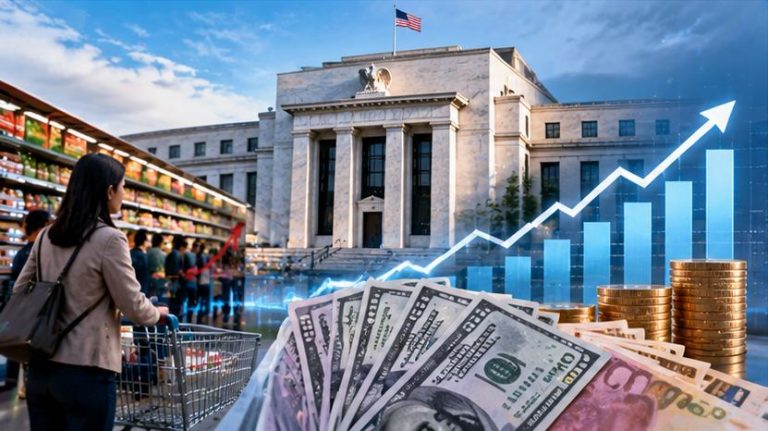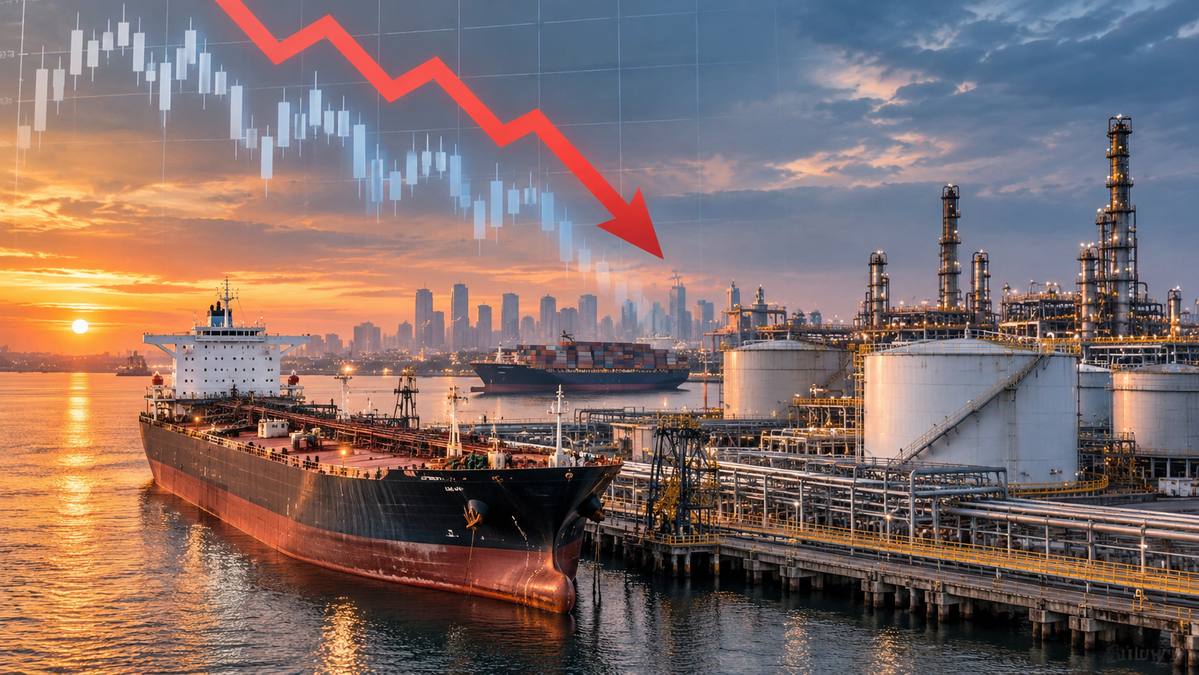
Oil Prices Fall, but Is the Global Inflation Crisis Really Over?

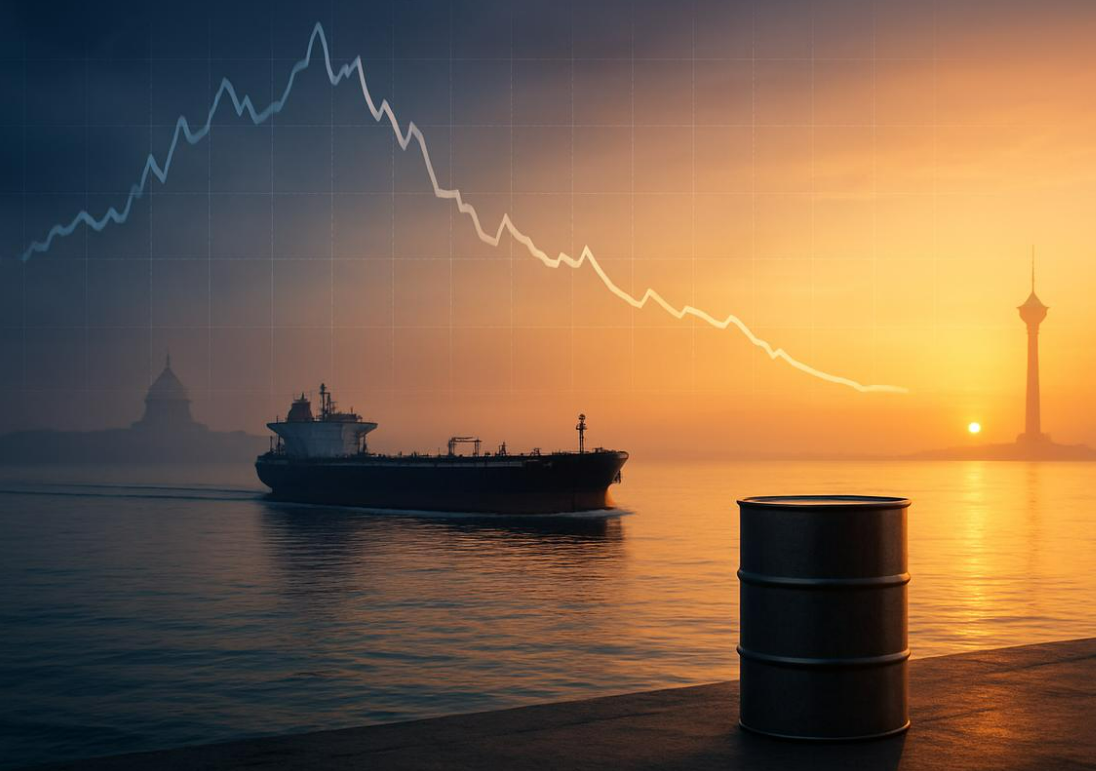
Oil prices have retreated from recent highs as markets respond to signs that the United States may avoid further military escalation with Iran. But cheaper crude does not automatically mean cheaper groceries, transport or electricity. The next phase of the energy story may be less about the price on a trading screen and more about how quickly relief reaches households and businesses.
19 Nov 2026
Oil retreats as geopolitical fears ease
Global oil markets moved lower on November 10 after US officials played down the prospect of additional military action against Iran. Reuters reported that Brent crude settled at $91.49 a barrel, down 1.2%, while US West Texas Intermediate fell 0.9% to $86.04. Both benchmarks closed at their lowest levels since August 31.
The decline followed a sharp retreat from October’s highs, when fears of disrupted shipments through the Middle East helped push prices above $110 a barrel. Markets are now weighing the possibility of fewer supply interruptions against the prospect of softer demand and a market moving toward surplus.
However, lower prices should not be confused with a settled crisis. Officials have not confirmed a lasting agreement between Washington and Tehran, and risks to shipping routes remain. Oil can rebound quickly if hostilities intensify or exports are interrupted again.
Why the price of oil matters far beyond petrol stations
Crude oil is a key input across the global economy. Refineries turn it into petrol, diesel, jet fuel and other products used by households, airlines, trucking companies, farmers and manufacturers. When crude becomes more expensive, those costs can travel through supply chains and eventually reach consumers.
Diesel is especially important because it powers much of the world’s freight and agricultural machinery. If fuel costs rise, a trucking company may pay more to move food from farms to distribution centres. Airlines face higher operating expenses, while factories may spend more to ship components and finished products. Businesses can absorb some of these increases, but others pass them on through higher prices.
The reverse process is slower. Even when crude oil falls, companies may still be using fuel bought at earlier, higher prices. Contracts, refining costs, taxes, exchange rates and local competition also influence what customers pay. As a result, pump prices and delivery charges may decline with a delay, and sometimes by less than the headline oil-market move.
A fall in oil does not end the inflation threat
The World Bank’s October 28 Commodity Markets Outlook projected that global commodity prices would rise 23% in 2026, with energy prices increasing 32% for the year. It forecast Brent crude averaging $91 a barrel in 2026, compared with $69 in 2025, before easing to $79 in 2027.
Those are annual projections, not a promise that prices will follow a smooth path. A decline in November can coexist with a large average increase across the full year because prices were much higher during earlier months. The outlook also depends on assumptions about conflict, production and the recovery of shipments.
The World Bank warned that depleted oil inventories leave the market more exposed to fresh supply disruptions. Its analysis estimated that global oil stocks fell by about 2.4 million barrels a day between March and September 2026. With less inventory available as a buffer, even a relatively small interruption could cause a disproportionate price reaction.
Inflation also depends on more than oil. Food prices respond to weather, crop yields, fertiliser costs, shipping conditions and trade restrictions. The World Bank expects food commodity prices to rise across 2026 and 2027, reflecting disrupted grain shipments, El Niño-related risks and higher agricultural input costs. Falling crude alone cannot resolve those pressures.
Who benefits—and who remains exposed?
Oil-importing economies may benefit when energy prices fall. Governments, utilities and companies that rely heavily on imported fuel can face smaller import bills, easing pressure on foreign-exchange reserves and public budgets. Households may eventually gain some room in their budgets if transport and energy costs decline.
But the benefits vary by country. A weaker domestic currency can make imported oil more expensive in local terms, even when the global benchmark falls. Fuel taxes and regulated pricing systems can also affect how quickly international changes appear at the pump.
Oil-exporting countries face a different calculation. Lower prices can reduce export earnings and government revenue, especially where public spending depends heavily on petroleum income. Producers may respond by adjusting investment or output, while companies with high extraction costs may see profit margins narrow.
For businesses around the world, the central question is whether lower energy prices will last long enough to change budgets and investment decisions. A temporary dip may offer only limited relief. A sustained decline, by contrast, could lower operating costs, support consumer spending and give central banks more room to focus on underlying inflation.
Central banks must look beyond one commodity
Cheaper oil can help reduce headline inflation, but central banks rarely base decisions on crude prices alone. They also monitor wages, services inflation, consumer demand, inflation expectations and currency movements. If energy prices fall while other costs continue rising, policymakers may remain cautious.
There is also a risk that weak demand—not improved supply—is driving part of the decline. If oil prices fall because consumers and businesses are using less fuel amid slower economic activity, the same development could signal weaker growth. In that case, lower energy costs would be welcome, but they would not necessarily indicate a healthy global outlook.
Financial markets are sensitive to this distinction. Investors may interpret lower oil prices as a sign that geopolitical risk is easing. They may also worry that weaker demand reflects an economic slowdown. The implications for shares, bonds, currencies and interest rates therefore depend on what is causing the move.
What to watch next
Three indicators will help determine whether the latest decline becomes meaningful relief. First, traders will watch developments affecting Middle Eastern exports and shipping routes. A durable reduction in the risk of disruption could remove some of the premium built into prices. Renewed attacks or restrictions could reverse the trend.
Second, the market will track inventories, production and demand. The World Bank expects oil prices to ease as supply recovers and the market moves toward surplus, but it also warns that the near-term risks remain tilted upward. Forecasts can change quickly when physical supplies are tight.
Third, households and businesses will look for evidence in real-world costs: petrol and diesel prices, freight charges, utility bills and food prices. These indicators will show whether a market rally or sell-off is translating into a genuine change in the cost of living.
Conclusion: relief, not an all-clear
The retreat in oil prices offers a welcome break after a volatile period, but it is too early to declare the global inflation crisis over. Geopolitical risks remain, inventories are depleted, and the cost of food and other essential goods depends on a wider set of forces than crude oil alone.
If lower prices persist and supply routes recover, energy-importing economies could gain breathing room and inflationary pressure may gradually ease. If the decline proves temporary, households and businesses may see little lasting benefit. For now, the most accurate conclusion is simple: oil has become cheaper, but the global economy is still waiting to see whether that relief will endure.
- Next Article
- UNCTAD Warns Strait of Hormuz Disruption Could Slow Global Trade
- Asia’s Semiconductor Boom: How AI Reshaping the Global Economy
- Cyberattack on French Supermarkets Highlights Economic Risks for Food Supply Chains
For more Information About Click The blue name of Global Economic Information