UNCTAD Warns Strait of Hormuz Disruption Could Slow Global Trade

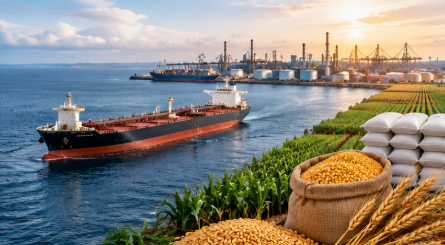
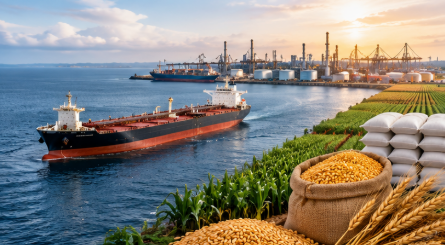
Disruption around the Strait of Hormuz demonstrates how a shock to one maritime corridor can spread through energy markets, shipping, food production and public finances.
Why the Strait of Hormuz matters
The Strait of Hormuz connects the Persian Gulf with the Gulf of Oman and the wider Indian Ocean. It is one of the world’s most important maritime chokepoints, carrying a substantial share of seaborne oil and significant volumes of liquefied natural gas and other commodities. These supplies support transport, electricity generation, manufacturing and agriculture far beyond the Middle East.
When shipping through a narrow corridor becomes dangerous or unreliable, the consequences can travel quickly across borders. Buyers may pay more for energy, ship operators may face higher insurance premiums, and manufacturers can find that inputs arrive late or cost more to move. Import-dependent countries are particularly exposed because higher commodity prices can coincide with weaker currencies and more expensive borrowing.
UNCTAD’s warning on global trade
In an assessment published on 1 April 2026, the United Nations Conference on Trade and Development (UNCTAD) described how the Strait of Hormuz disruption was transmitting pressure through trade, prices and finance. UNCTAD reported that daily ship transits had fallen from around 130 in February to just six in March, illustrating the scale of the interruption at that point in the crisis.
The agency projected that global merchandise trade growth could slow from about 4.7% in 2025 to between 1.5% and 2.5% in 2026. These are forecasts made amid considerable uncertainty, not final outcomes. The broader concern is that a supply shock can raise the cost of trade while simultaneously weakening demand and delaying investment.
Shipping becomes more expensive
Freight costs reflect more than the price of fuel. When a route becomes risky, shipowners and cargo operators may pay more for war-risk insurance, change schedules, reroute vessels or use alternative ports. Longer journeys consume more fuel and keep ships occupied for more days, reducing the effective capacity available to carry other goods.
Those costs can pass through a supply chain in stages. Carriers may increase freight rates; importers may absorb part of the increase or pass it to wholesalers and retailers; and businesses dependent on imported components may see their margins narrow. The final effect on consumer prices depends on inventory levels, contracts, competition and how long the disruption lasts.
Companies using just-in-time inventories can be especially vulnerable to delays. Some may respond by holding larger stocks, diversifying suppliers or paying for more flexible transport. These steps can improve resilience, but they tie up working capital and can raise costs even when trade routes are operating normally.
Energy shocks can reach food markets
Oil and gas are not only commodities traded on exchanges. They are essential inputs for transport, electricity, manufacturing and agriculture. Higher energy prices can increase the cost of producing and delivering a wide range of goods, including food.
Fertilizer is a key link between energy and agriculture. Natural gas is an important input for many nitrogen fertilizers, and the Gulf region is a significant source of fertilizer exports. A shipping disruption can affect both availability and cost. Farmers facing higher fertilizer, fuel and transport bills may change planting decisions or reduce input use, potentially affecting yields and future food prices.
The timing matters. Energy markets can react quickly to geopolitical news, while food supply chains often adjust more slowly because planting, harvesting, processing and distribution follow seasonal schedules. Even after shipping conditions improve, some higher costs may take months to work through the system.
Developing economies face added pressure
UNCTAD highlighted the vulnerability of developing economies to higher import costs and tighter financial conditions. Countries that depend on imported fuel, food or fertilizer can face a larger import bill just as their currencies weaken or international borrowing becomes more expensive.
A weaker currency makes dollar-priced commodities more expensive in local terms. Governments may then face pressure to protect households through subsidies or targeted assistance, but countries with high debt-servicing costs have less room to respond. More spending on energy and debt can leave fewer resources for health, education and infrastructure.
The impact is not identical everywhere. Energy exporters may benefit from higher prices, but gains can be offset by disrupted exports, more expensive imports, market volatility or domestic support costs. Exposure depends on trade patterns, fiscal buffers, exchange-rate arrangements and the duration of the disruption.
What companies and governments can do
Businesses can map suppliers beyond their immediate contractors, identify transport bottlenecks and stress-test operations against higher fuel and freight costs. Firms can review inventory policies, diversify sourcing where practical and avoid depending on one route for critical inputs. Diversification is not free, but it may reduce the impact of a sudden interruption.
Governments can improve resilience by investing in ports and logistics, maintaining transparent trade rules, coordinating emergency responses and targeting support to vulnerable households. International cooperation matters for keeping essential goods moving and helping countries with limited fiscal space manage temporary shocks. Protecting maritime safety and restoring predictable navigation are central to reducing the economic damage.
A warning about global trade resilience
The Strait of Hormuz disruption shows how concentrated risks can travel through an interconnected economy. A bottleneck in energy shipping can increase freight and insurance costs, affect fertilizer availability, pressure food prices and worsen financial conditions for import-dependent countries.
The outlook depends on the duration and scale of disruption and on how quickly shipping, energy and financial markets adjust. UNCTAD’s projections should therefore be read as a warning about possible risks, not a guarantee of what will happen. The strategic lesson for companies and governments is clear: efficiency matters, but resilience matters too. Global trade is stronger when essential routes remain safe, predictable and accessible.