Developing Countries’ External Debt Hits Record $9.4 Trillion

Developing economies entered 2026 facing a difficult financing equation: access to international capital has improved, but the cost of servicing debt remains high. New World Bank data show that external debt across low- and middle-income countries reached a record US$9.4 trillion in 2025, renewing concerns about public investment, fiscal resilience and long-term growth.

Developing Countries’ External Debt Reaches a Record
The World Bank’s International Debt Report 2026 says external debt in low- and middle-income economies rose 5.5% in 2025 to US$9.4 trillion. The increase was the fastest since 2021 and about four times the average annual pace recorded from 2022 to 2024.
The figure refers to external debt across the countries covered by the report. It should not be confused with total government debt, which can also include borrowing from domestic lenders and other liabilities.
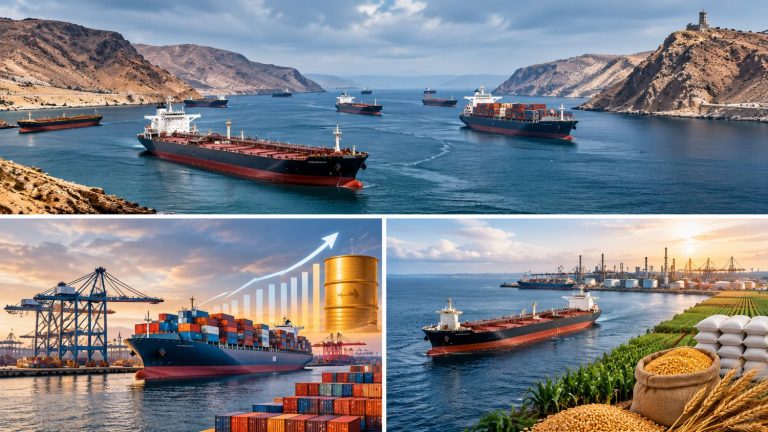
Private creditors contributed significantly to the increase as international bond markets reopened to many developing economies. Public-sector bond issuance rose nearly 35% to US$251 billion, its highest level in five years, according to the World Bank.
Why Borrowing Has Returned Despite High Costs
Access to international financing can help governments fund infrastructure, energy systems, public services and other development priorities. It can also allow countries to refinance obligations that are approaching maturity.
But market access does not necessarily mean that financing is affordable. Governments that issue new bonds to repay maturing debt may extend repayment schedules without materially reducing the amount they owe. If new borrowing carries higher interest rates, the overall cost of servicing debt can remain elevated.
The World Bank report points to a gap between improved access to capital and the price borrowers must pay for it. That distinction is especially important for countries with narrow tax bases, limited foreign-exchange reserves or large near-term repayment obligations.

The Poorest Borrowers Face the Highest Interest Rates
Debt pressures are particularly severe among countries eligible for concessional financing from the World Bank’s International Development Association, which supports lower-income economies.
The World Bank reported that external debt in IDA-eligible countries increased 8.1% in 2025 to US$1.3 trillion. These countries paid an average 8.2% on new private-creditor commitments and 9.4% on new bonds, the highest levels reported for these measures since 1989.
For comparison, countries eligible only for non-concessional borrowing from the International Bank for Reconstruction and Development paid an average 5.5% on new bonds in 2025. The difference illustrates how investors can charge more to borrowers perceived as riskier, leaving poorer economies with fewer affordable financing options.
Debt Payments Can Crowd Out Development Spending
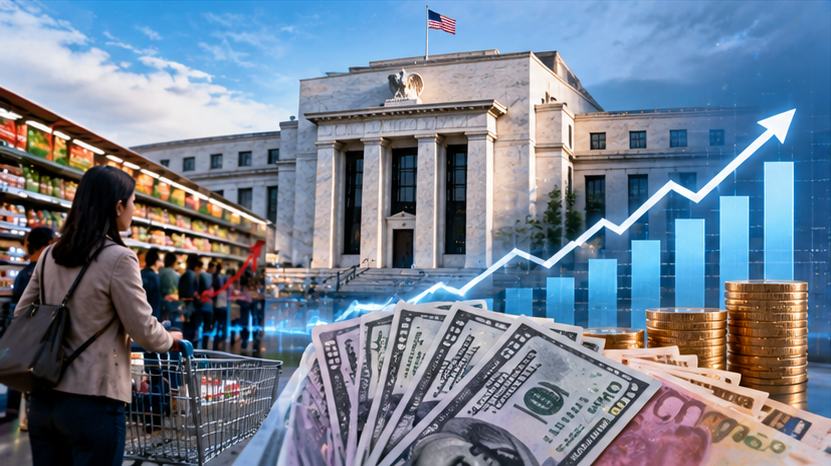
Low- and middle-income countries paid about US$1.4 trillion in principal and interest on external debt in 2025, a 1.9% increase and the fifth consecutive annual rise. Payments to bondholders reached US$363 billion.
Large debt-service bills can reduce the room governments have to fund schools, healthcare, transport, electricity networks and climate resilience. The effect varies by country and budget structure, so the figures do not mean every government has cut those services. They do, however, show why repayment costs matter for long-term development.
Between 2022 and 2025, developing economies paid US$436 billion more in external debt service than they received in new financing. In 2025, long-term debt flows shifted to a net inflow of US$45 billion, following a net outflow of US$118 billion in 2024. The change suggests financing conditions improved, but it does not erase the burden of earlier payments.
Currency Movements Also Affect Debt Figures
Exchange rates helped shape the latest totals. The World Bank said more than one-quarter of the US$303 billion increase in public and publicly guaranteed debt reflected a weaker US dollar, which raised the dollar value of obligations denominated in other currencies.
This accounting effect matters because headline debt figures can change even when a borrower continues to make repayments. Countries with substantial foreign-currency liabilities remain exposed to exchange-rate swings, particularly when export earnings and tax revenues are collected mainly in local currency.
What the Debt Record Means for the Global Economy
High external debt does not automatically mean a country is heading toward default. The risks depend on the size and maturity of obligations, interest costs, export earnings, fiscal capacity, economic growth and the uses of borrowed funds.
Borrowing can support development when it finances productive investments that strengthen future income and resilience. The challenge is greater when new loans mainly refinance old obligations or carry costs that leave little room for essential spending.
The World Bank has also highlighted the importance of debt transparency and reliable reporting. Clear information about loans, guarantees and repayment terms helps governments assess risk, helps investors price it more accurately and can make restructuring negotiations less difficult when debt becomes unsustainable.
The Road Ahead: More Sustainable Financing
For developing economies, the policy challenge is not simply to stop borrowing. It is to secure financing on terms that fit their capacity to repay and to direct funds toward investments that can support durable growth.
Stronger public financial management, transparent borrowing records, broader domestic revenue bases and carefully planned debt maturities can help governments manage exposure. International lenders and private creditors also have a role in making terms clearer and supporting orderly solutions when repayment pressures become severe.
The World Bank’s record figure is a warning about the cost of capital in an uneven global economy. As developing countries seek resources for infrastructure and public services, the quality, price and purpose of financing may matter as much as access to it.
Next Article: https://addmysponsor.com/china-energy-investment-940-billion-2026/