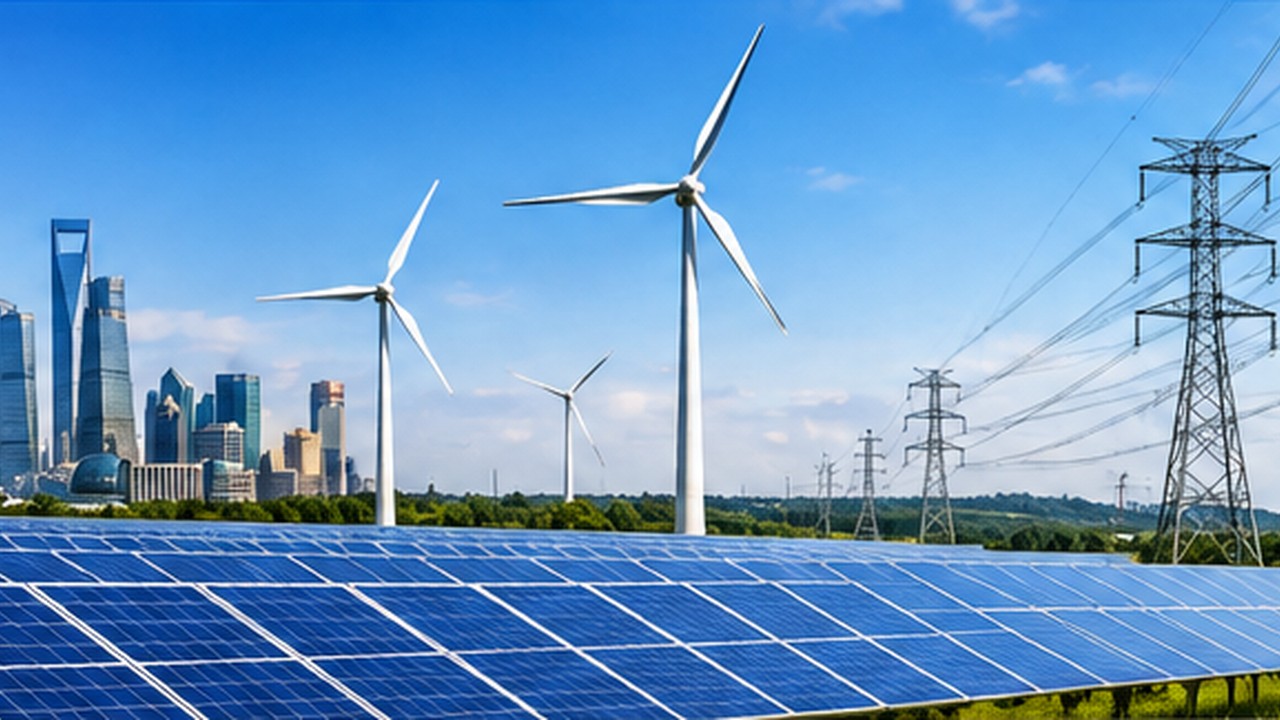
China’s Energy Investment Set to Reach US$940 Billion in 2026 as Power Grid Infrastructure Takes Centre Stage
China is projected to invest approximately US$940 billion in its energy sector in 2026, according to figures reported in coverage of the country’s energy investment outlook. The projected scale points to the continued importance of energy infrastructure, electricity networks and the expansion of renewable generation in the world’s second-largest economy.
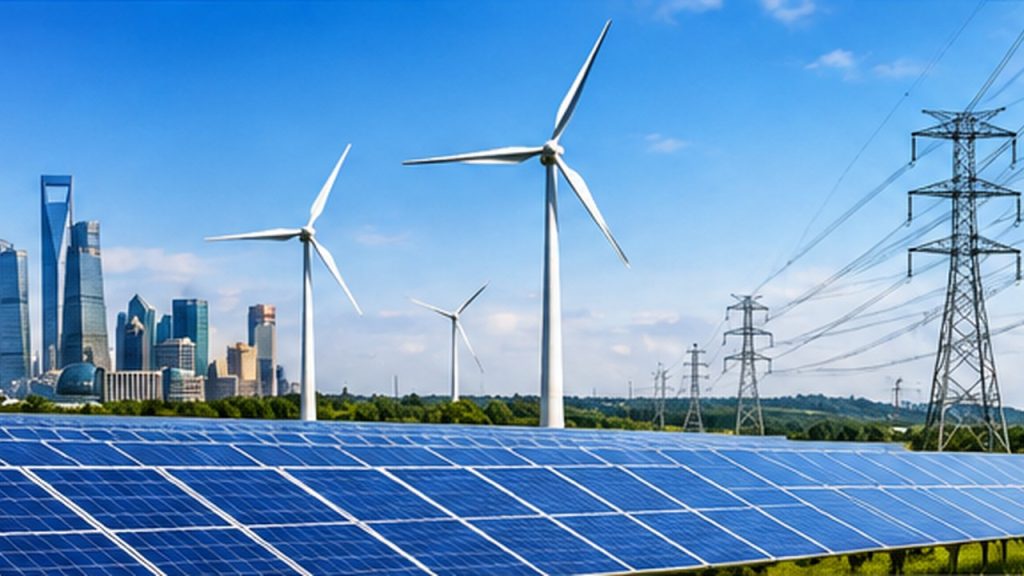
A substantial part of the projected spending is expected to be directed towards the power grid. Reported estimates put investment in electricity network infrastructure at around US$140 billion in 2026, reflecting the need to strengthen transmission and distribution capacity as electricity demand evolves and more variable renewable sources are connected to the system.
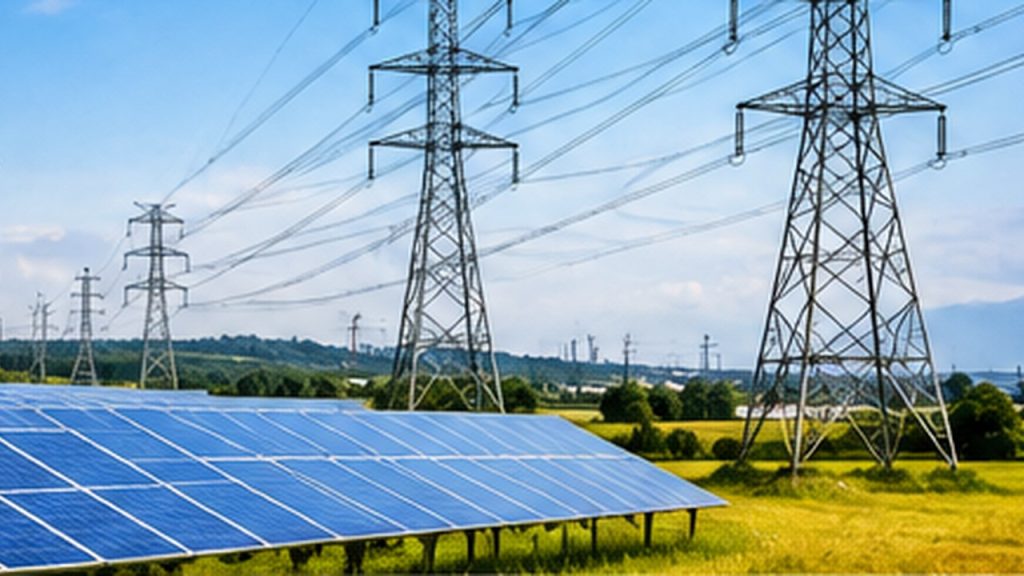
Power Grid Infrastructure Takes Centre Stage
Expanding generation capacity is only one part of an energy transition. Electricity must also be moved efficiently from power plants to industrial users, businesses and households. That makes transmission lines, substations, distribution networks and grid-management technology essential components of China’s investment plans.
The growing contribution of wind and solar power adds another layer of complexity. Their output can vary with weather and time of day, increasing the importance of grid flexibility, storage, forecasting and the ability to move electricity between regions.
Renewable Energy Capacity Continues to Expand
Figures cited in reports on China’s energy sector put the country’s installed renewable energy capacity at approximately 2.337 billion kilowatts at the end of 2025, equivalent to around 60.1% of total installed power-generation capacity.
Renewable electricity generation was reported at about 3.99 trillion kilowatt-hours, or approximately 38.3% of total electricity generation. The distinction between installed capacity and actual electricity output is important: capacity measures the maximum potential output of generating assets, while generation records the electricity they produce over a period.
Coal Remains Part of the Energy Mix
Despite the rapid expansion of renewable capacity, coal continues to play a significant role in China’s electricity system. The reporting cited in the source material put coal-fired generation at 49.7% of the country’s electricity mix in the first half of 2026, a notable threshold in the changing composition of power generation.
The figure should be read in the context of the broader energy system. A lower share for coal does not mean that coal has disappeared from the mix; it indicates a change in the relative contribution of different generation sources.
China’s Position in the Global Energy Supply Chain
China also holds a major position in the manufacturing supply chains behind clean-energy technologies. Figures cited in the source coverage estimate that Chinese manufacturers account for roughly 70% of global wind-power equipment supply and about 80% of photovoltaic equipment supply.
This industrial scale gives China an influential role in the production of equipment used in renewable energy projects worldwide. It also links domestic energy investment with manufacturing capacity, technology development and international supply chains.
Investment Scale Brings Opportunities and Challenges
The projected investment highlights the scale of China’s energy ambitions, but the effectiveness of that spending will depend on implementation. Grid expansion, project financing, system flexibility, energy storage and the coordination of new generation with electricity demand will all influence how efficiently new capacity can be used.
For that reason, the headline investment projection is only one measure to watch. Actual spending, completed infrastructure and the amount of electricity delivered by different sources will provide a fuller picture of progress through 2026.
Outlook
China’s projected US$940 billion energy investment in 2026 underlines the strategic importance of the sector to the country’s economic and industrial development. With power-grid infrastructure expected to attract a significant share of spending, the next phase of the transition will depend not only on adding generation capacity but also on building a more capable and flexible electricity network.
Editorial note: The US$940 billion and US$140 billion figures are projections reported in the cited coverage, not confirmed final expenditure. Capacity, generation and market-share figures are reproduced as reported and should be checked against the original data releases before republication or further analysis.
Nex Artikel : Cyberattack on French Supermarkets Highlights Economic Risks for Food Supply Chains






One Comment
Comments are closed.